Don’t Miss the Window: Measuring Student Growth This School Year
I distinctly remember in 1997 during my interview for a position teaching history and coaching soccer at St. Andrew’s (Maryland), then Head of the Upper School John Holden saying, “we…
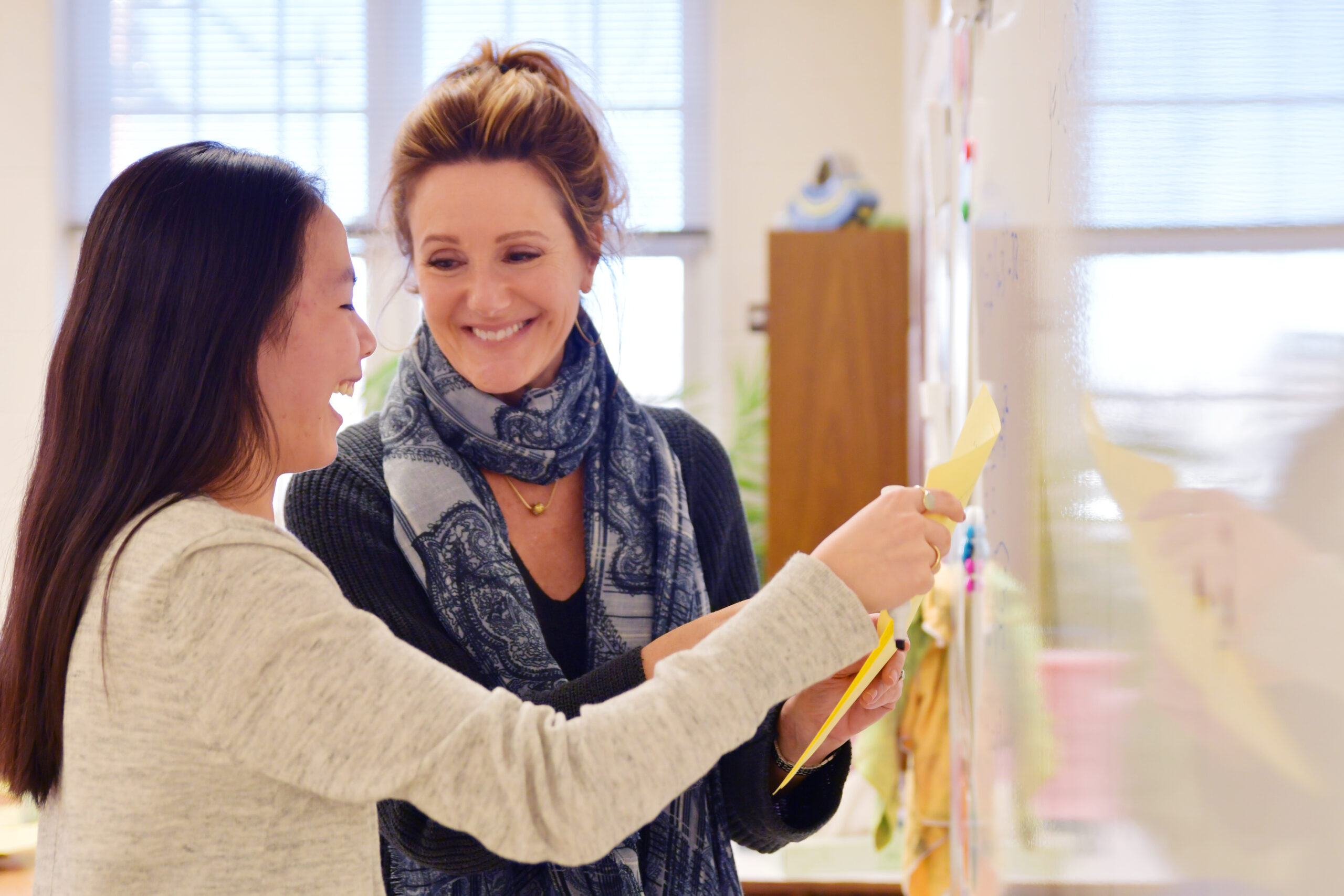
Having a classroom built on trusting relationships that accepted that failure could be a part of learning led all of us to be more vulnerable and to take more risks. And this, in turn, led me to feel more comfortable letting go of more control to add more joy into the classroom.
Honing metacognitive skills empowers students with self-knowledge that they can apply beyond classroom walls. But how can teachers help students gain important but under-appreciated set of skills? What does metacognition in action look like?
It turns out, perhaps the most compelling data to support spacing and interleaving is not quantitative at all. Instead, it is the qualitative feedback from students and teachers.
All students, even high achieving, highly motivated ones, forget huge swathes of what they learned. How can we improve this?
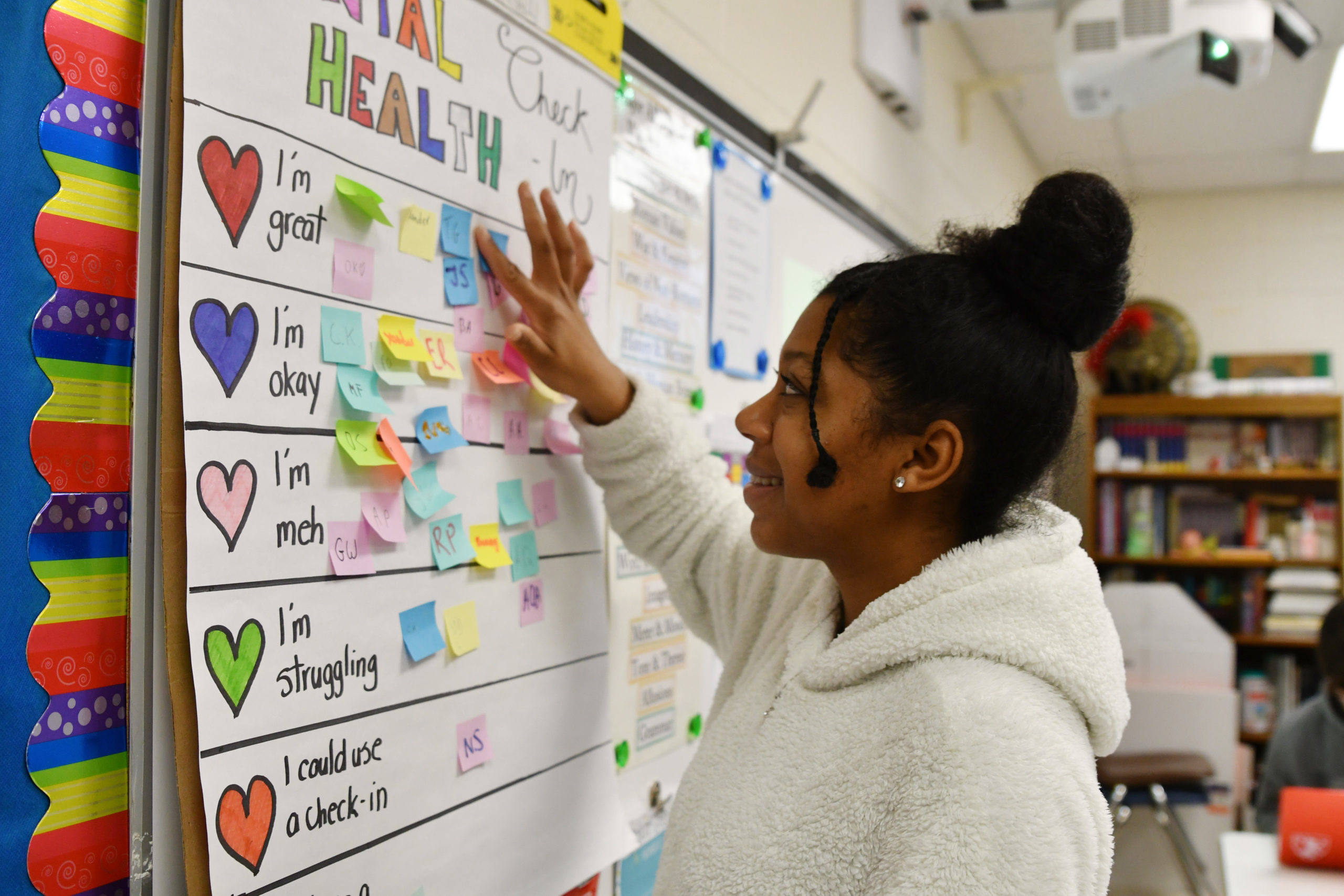
There are two integral questions that teachers often overlook but need to ask themselves as they head into the school year: how do I want my classroom to feel and what steps can I take to create this feeling in my learning space?
Clyburn said she wanted to give this talk to start a dialogue among foreign language teachers on “how we can be better teachers if we better understand how the brain works.”